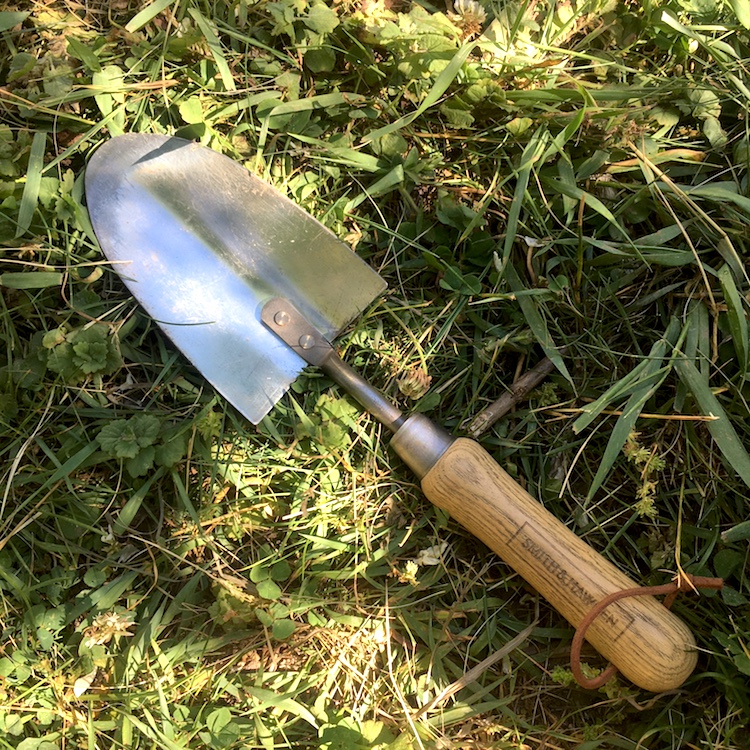
Note: I’m going to purposefully oversimplify this topic, because I don’t think you need to know more than this to get going with your first garden. References below if you want to learn the unsimplified version of this topic.
All the books say that soil quality is the most important thing for your plants’ wellbeing. That makes sense. Then they start talking about running pH tests and adding chemicals to it…. Don’t complicate it.
Have you ever looked at potting soil? Have you felt it in your hand? Rich, dark, nice consistency. That’s what you want your soil to be like.
If it doesn’t feel like that, then you’ll need to add some organic-material-rich soil to it. If it already does feel like that, you should still add some organic-material-rich soil to it, because plants love it.
Organic-rich-material is compost. Dead things that have decomposed and turned into rich, life-giving soil. Nature’s beautiful, simple, poetic system.
If you have a compost system already (see here how to create a simple compost system) and the material is ready to use, then add that. (It’s ready to use if it’s cool and dark. You don’t want to add hot, still-decomposing compost.)
If you don’t have a compost system yet, then you need to find some compost.
You don’t have to buy compost from a store- it comes from the earth, for free. I’ll amend that slightly: if you live in the city, or if your backyard is small, then you might need to buy compost the first time around- up until you get your own system going.
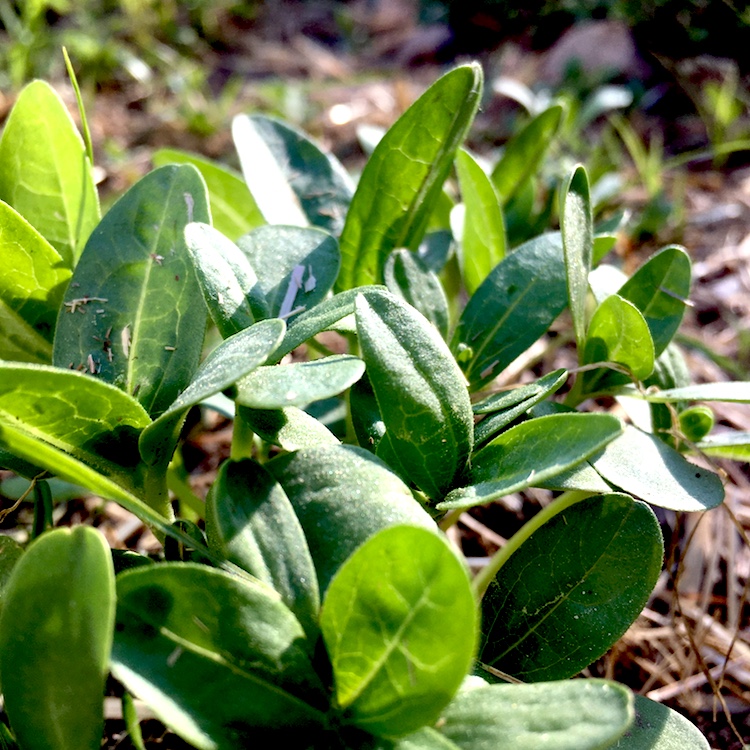
If you have a bigger backyard in the country, you already have compost somewhere on your property. You just need to find a part of the land where there’s a lot of dead leaves and twigs covering the ground. The soil underneath will be beautifully dark and rich in decomposed organic-material.
Dig up as much of this rich soil as you can— and add it to your flower beds before planting. Add more later on whenever they need a boost.
With just this one extra step, you’ve made a more nourishing environment for your flowers and increased their chances for happy, healthy growth.
Next step: 4. Plant
Back to From the Garden
References:
Book: Better Homes and Gardens: Complete Guide to Gardening
Check out this thorough guide to learn more about soil quality.
 From the Garden