Like most people, I found myself reassessing a lot during the past few months. I finally had to confront things I’d put off thinking about- difficult things from the past and anxieties about the future. For a good while, I was gripped with constant sadness and unease. But something good was stirring underneath the surface.
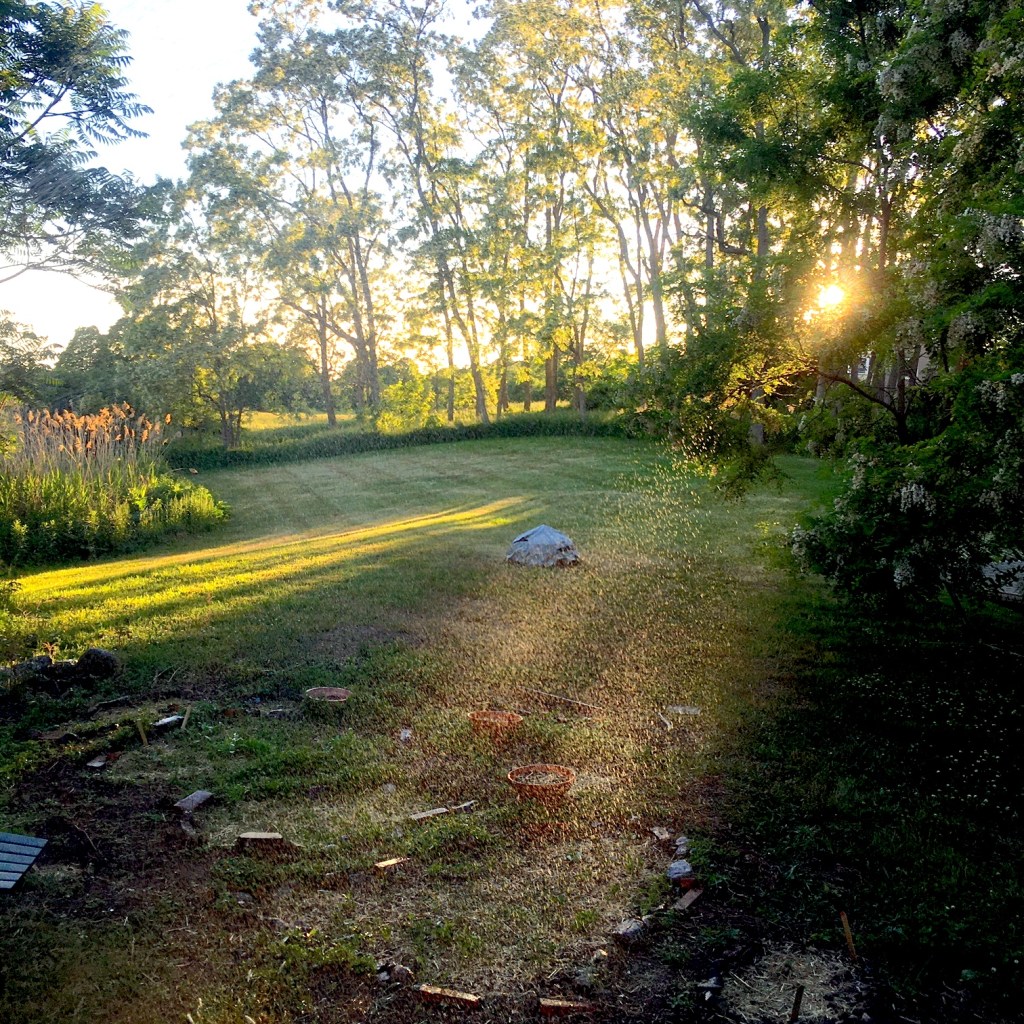
The change started, I think, with feeding the birds.
I’d moved back to my mother’s house in the country when lockdown started to get out of the city. In early spring, my mother discovered that a new type of birdseed attracted a wider variety of birds to the feeders. We watched them from the windows every morning while we drank our (preposterously strong, how she likes it) black coffee.
Gradually, we began to think of the birds as our birds. We already had the dog, the two cats, and the goldfish; it was an easy leap to expand the family circle.
Then we noticed a little brown rat was scooping up the seeds at the foot of the feeder. Well, as long as he’s outside, we thought… So we started scattering a little extra feed on the ground for him, decided to call him Samuel, and the rat became ours too.
April rolled in; the earth warmed up, and suddenly we had ants on the kitchen counter. Should we…? No, it was unthinkable to kill them. We put an old, almost-empty honey pot under the window. The ants came from all corners of the kitchen to gorge themselves on the honey. But they weren’t on the counter anymore, offending our cleanliness sensibilities. You could only see them if you went to the trouble of looking in the pot. (And, as it turns out, they were interesting to watch when you did.) So, yes, we started feeding the ants. The ants became ours too. After a few days, we put the pot outside in the backyard, thereby removing all the ants from our kitchen without killing them. They were our ants, after all.
The more we began to embrace all of these creatures, the more I began to view the entire world, by extension, like a coherent, cooperative system. Can you remember the last time you felt that way? For me it had been a long, long time.
A few years ago, I read the book Harmony: A New Way of Looking at Our World by the Prince of Wales, which posits that since the Industrial Revolution, Western society has increasingly turned away from its natural, intuitive understanding of and relationship to Nature, and would be well-advised to reclaim it. I appreciated the message at the time, but this spring I really began to feel what he meant.
If we could reclaim this sense, he writes:
“…we would perhaps once again begin to see our existence in its proper place within creation and not in some specially protected and privileged category of our own making.”
Harmony: A New Way of Looking at Our World by the Prince of Wales
(My italics.)
When May came, we decided to start a garden.
Neither of us had much experience. Well- I didn’t have any, in fact. We had a few books on gardening tucked away in the long-ignored sunroom, which I pulled out, dusted off and diligently read cover-to-cover. I took notes. (My mother rolled her eyes, because that’s not her style.)
I realized why I had never been interested in gardening before. It was because of the picture of it I had in my head.
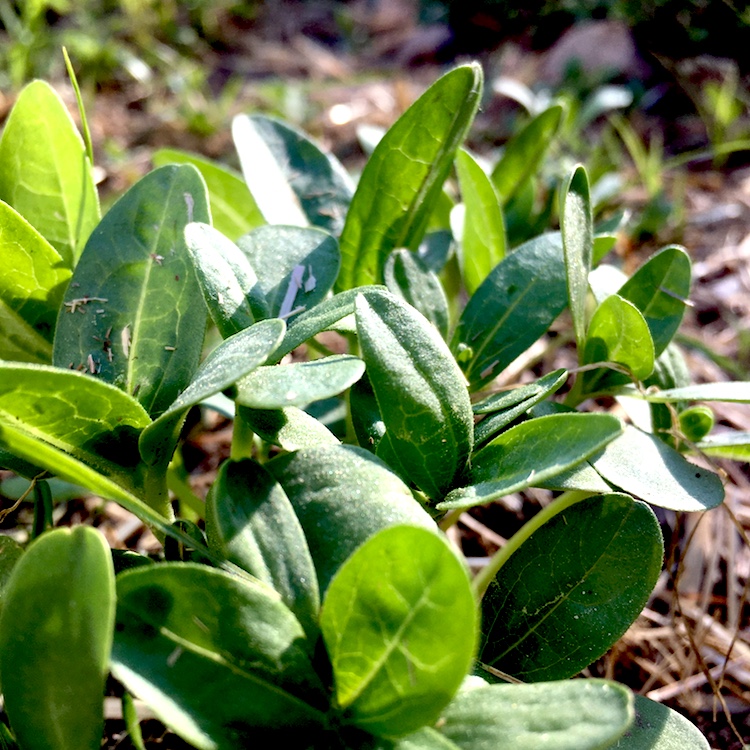
I thought gardening was:
Agonizing long hours in the sun pulling up weeds; smelly store-bought chemical fertilizers; tidy unnatural-looking circles of reddish brown mulch around the base of trees and shrubs; complicated soil analysis, and at the result: long straight lines of identical flowers. It mostly seemed like wrestling with Nature. Not cooperating with it.
I think for some people, that’s a reasonably accurate depiction. It’s chore, and it’s not very pleasant, and it requires equipment, and it’s about forcing nature to do what you want it to do. (I suspect these same people use ant traps, and wouldn’t spread extra birdseed on the ground for a brown rat named Samuel.)
But most seasoned gardeners will know full well what I discovered, once I rolled up my sleeves and began. Gardening doesn’t have to be any of those things.
Gardening is essentially a long conversation with Nature. And it’s a very enlightening one.
Unless you are running a commercial operation where your livelihood is determined by your crop yield, and a hyper-controlled approach is necessary to produce those results– which, by the way, is often incredibly detrimental to the environment– then nothing about cultivating your garden needs to be remotely clinical, unnatural, complicated, or arduous.
Nature is an incredibly coherent, cooperative system. All you need to do is work with it. Gardening is simple, natural, and beautiful. Nature is simple, natural, and beautiful.
And once I realized that, I finally began to feel that life is simple, natural, and beautiful.
You don’t need to run pH tests on the soil to feel in your hand whether it’s rich and workable or not. We have an intuition for nature just as much as animals and the plants do. Why wouldn’t we? We’re part of the system too. When we die, our bodies go back into the earth and create something beautiful and new in the spring— just like every other living thing. You just need to start spending time with nature. The intuition will come naturally.
You’ll start to feel like the grass is your grass, the soil is your soil, and the flowers are your soil. Not because they’re on your property, but because they’re in your care. You’ll feel something reawaken that comes from deep, deep inside. You’ll feel that you’re part of the incredibly coherent and cooperative system.
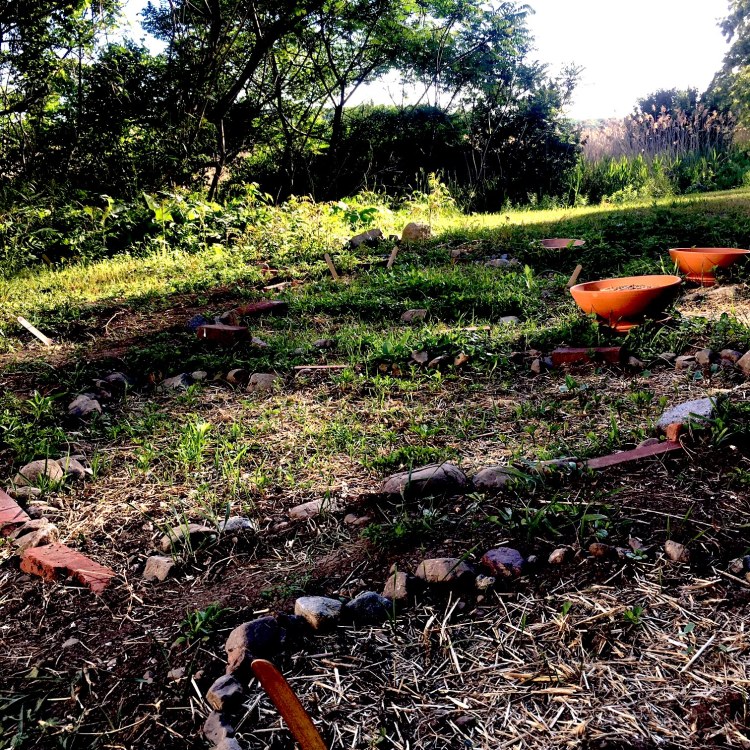
When we garden, we can benefit from thousands of years of human cultivation practice and perfection; but we don’t need act as if the knowledge exclusively comes from outside of ourselves.
Gardening truly has healed a lot of the pain and the worry I’ve felt over the past few months; indeed, the last few years. It’s helped me to find peace with the biggest, hardest questions in life: questions about purpose, death, meaning, belonging.
I hope that you’ll consider starting a garden too, and rediscover these incredible, profound truths.
Gardening- and life- should be: simple, natural, and beautiful.
 From the Garden